.jpg)
Tiny Particles, Big Problems: A Symbiosis Guide to Navigating the Microplastic Maze
- 2026-06-08
- SCHC


Between grabbing a quick coffee before class, ordering food for a late-night study session, or carrying water bottles across campus, plastic has quietly become our most constant companion. But there's an invisible side to this convenience: microplastics. These tiny particles (less than 5mm) are now found in our food, air, and even our own bodies.
While it sounds like a sci-fi horror movie, the good news is that small, mindful changes can significantly reduce your "plastic footprint" and protect your health.
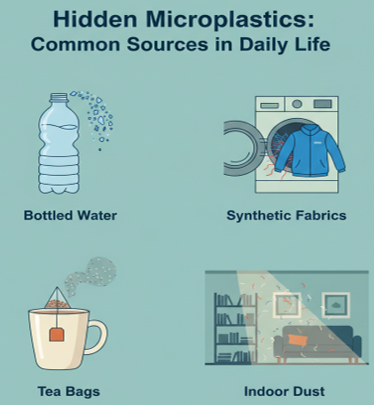
Microplastics aren't just "there"; they are created when larger items break down. On a busy campus, common culprits include:

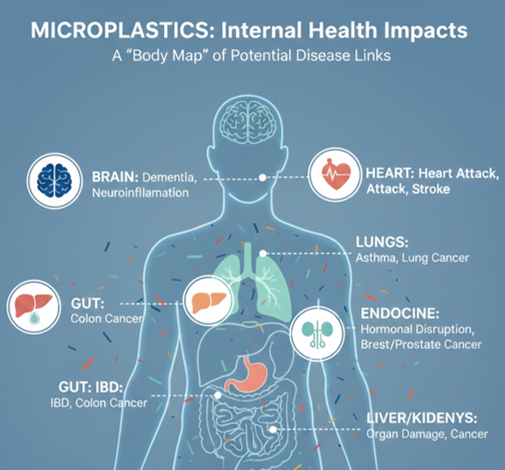
It's not just about the environment; it's about what's happening inside you. Scientists are finding that these particles can act as "biological irritants" or carry toxic chemicals into our systems.
| Organ System | Potential Disease / Condition | Cancer Link |
|---|---|---|
| Heart & Blood | Heart Attack, Stroke, Hypertension | Leukemia/Lymphoma (Blood-related risks) |
| Lungs | Chronic Bronchitis, Asthma | Lung Cancer (From inhaling micro-fibers) |
| Gut (Stomach) | IBD, Leaky Gut, Ulcers | Colorectal / Colon Cancer |
| Endocrine | Thyroid issues, Diabetes, PCOS | Breast & Prostate Cancer (Hormone-driven) |
| Liver & Kidneys | Organ scarring, Toxicity | Liver & Kidney Cancer (Filtering toxins) |
| Brain | Dementia, Cognitive Impairment | Glioblastoma (Brain tumors) |
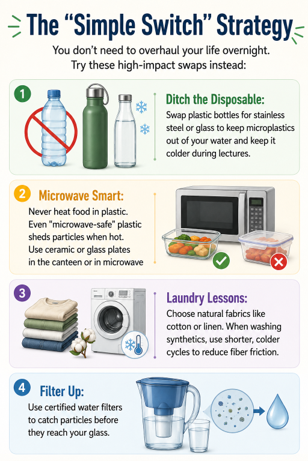
By making conscious choices-one bottle, one meal, one habit at a time-Symbiosis students and staff can collectively create a cleaner, healthier campus. Reducing exposure is a responsible step for our planet and our long-term health.